The interest in Ecoglo’s products was unbelievable and I enjoyed the opportunity to present to the conference about international standards and building codes relating to photoluminescent products.
There was a common theme with facility owners and managers, the huge hidden costs in maintaining exit signs and emergency lighting, it certainly seems as though the lighting cartel gravy train is eating well all around the globe.
It was great to take part in another VMA Congress last week.
The Melbourne Convention & Exhibition Centre was an excellent venue and we took the opportunity to get valuable input and feedback as we work on the latest update of our best practice guide for stadia and arenas.
It’s amazing to reflect on how far the technology has come in 20 years, a hybrid LED exit sign would have seemed improbable back then – if not impossible.
It’s great to see another Ecoglo stadium completed and operational!
The Bankwest Stadium is a 30,000 capacity facility in the heart of Parramatta, Sydney.
The step nosing product used is a custom product developed to meet the specifications of the project’s Safe Movement Report. The report was prepared for Populous Architects by Dr Hamish MacLennan, Safe Movement Specialist.
Since my last post explaining High Temperature Curing (HTC) I’ve had many people asking about the processes used to make Ecoglo fakes.
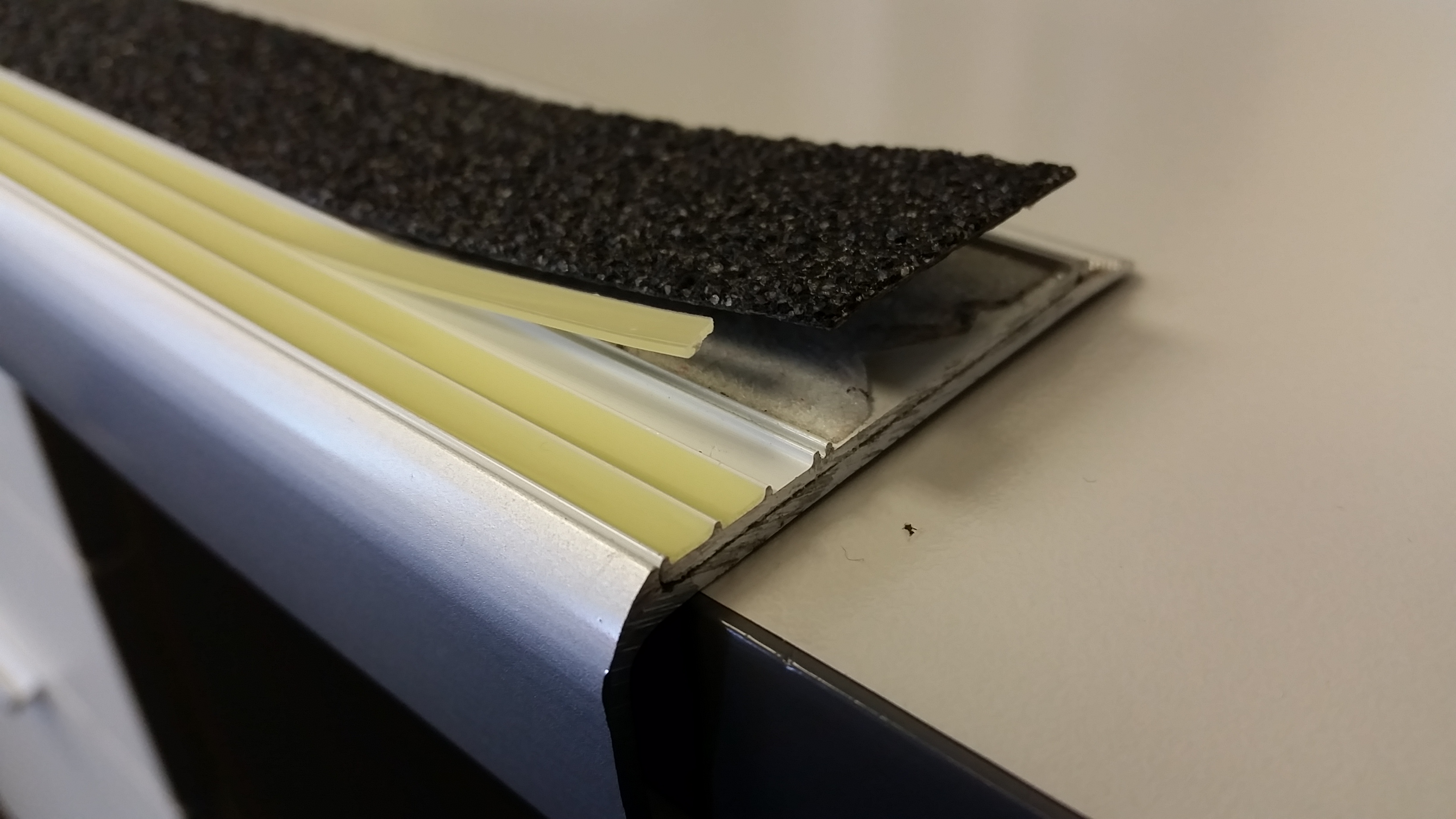
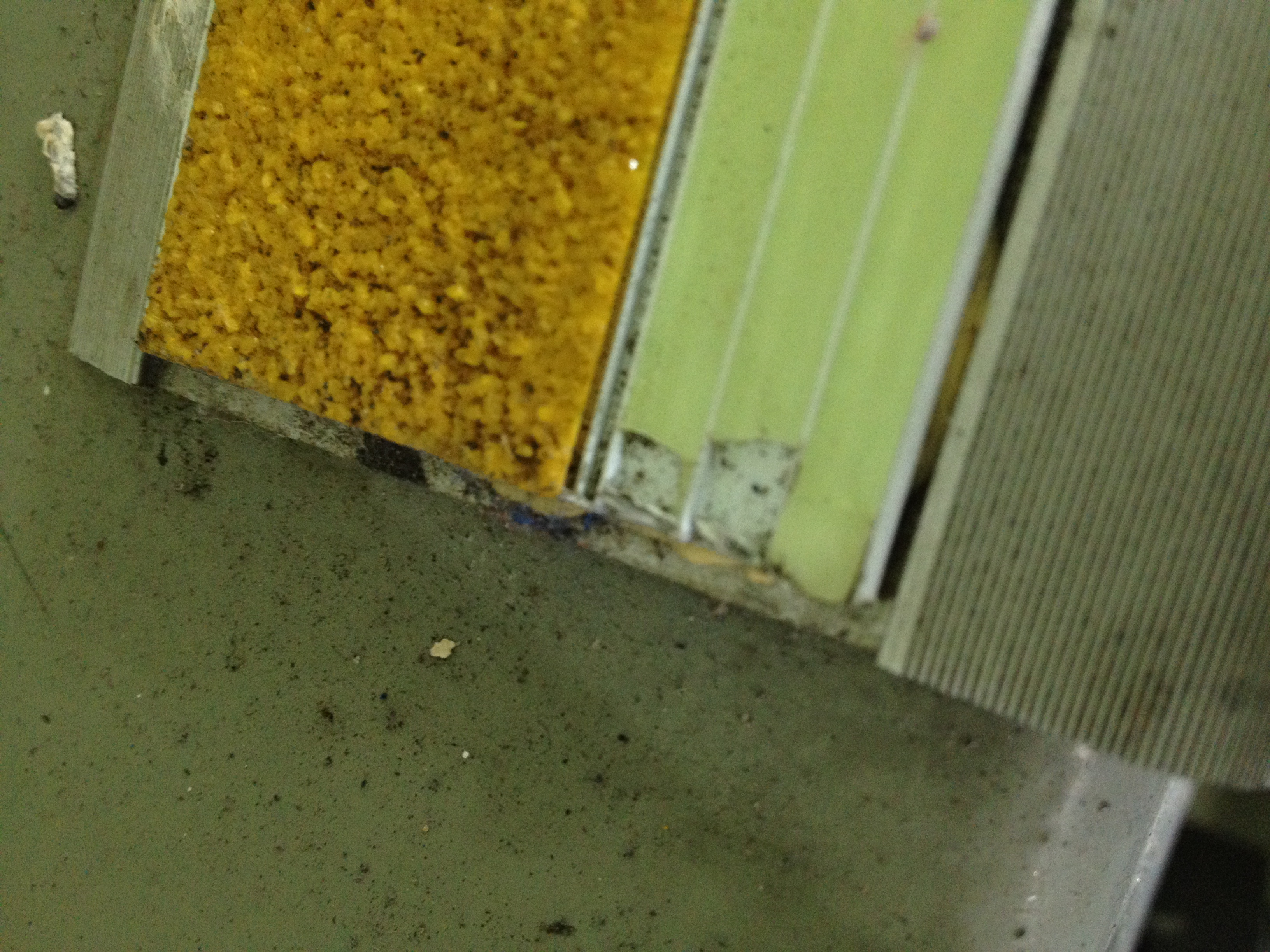
The products pictured have been offered up for arena and stadia in Australia as an alternative to Ecoglo.
Clearly the aluminium extrusion has been made to resemble an Ecoglo product. Unfortunately the process used to manufacture the products looks to be a liquid pour (wet pour) process.
The photoluminescent material has shrunk and is slowly delaminating, totally unacceptable for an emergency visibility system. HTC products won’t suffer from shrinkage, delamination or discolouring and are therefore more durable delivering higher and more reliable luminance and visibility.
Specifiers and construction companies need to be alert and make sure that “Ecoglo equivalents” use HTC technology and have well documented and rigorous testing.
Last week I was discussing Ecoglo durability with one of our distribution partners. Unlike the failures pictured above, Ecoglo products don’t fail – why is that?
The patented manufacturing process used to make Ecoglo’s products is known as High Temperature Curing or HTC.
HTC involves the precisely controlled application of a powder mix of customised photoluminescent pigments and customised carriers onto an aluminium base.
The polymer mix and aluminium base pass through a bespoke oven to be baked at temperatures above 160C. This high temperature curing process integrally bonds the polymer mix to the aluminium, eliminating the possibility of peeling, shrinkage or delamination. It also provides permanent protection of the photoluminescent pigments from degradation due to moisture or weathering.
These performance properties cannot be guaranteed for photoluminescent PVC products, tapes and liquid applied products.
HTC products that won’t suffer from shrinkage, delamination or discolouring and are therefore more durable delivering higher and more reliable luminance and visibility.
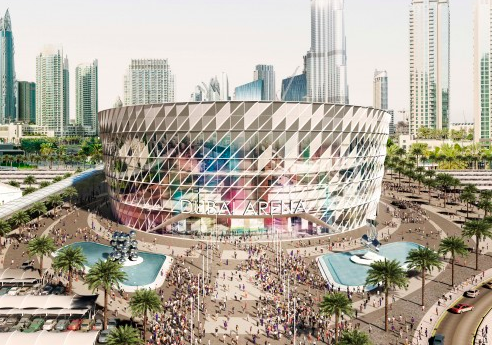
It was great to have it confirmed last week that the new Dubai Arena will be installing Ecoglo.
This project will mean that AEG Ogden are involved with our most recent installation (Dubai Arena) and our very first installation (Qudos Bank Arena in Sydney). Qudos Bank Arena was installed in 1998 and Ecoglo step products have been a fundamental part of the facility’s emergency lighting system since then.
Dubai Arena will have a mix of step based products and these will be part of our display at the Big 5 in Dubai in a couple of weeks. We’ll also be showing our revolutionary hybrid photoluminescent/LED exit sign.
To see our full product range visit us at Booth # 6E263 at the Big 5, Dubai World Trade Centre, 26-29 November.





 Innovation at Ecoglo